• I wrote four poems about you

    from a dozen too-sweet cookies,
    two plates of pork guts,
    an unkept promise
    to teach me how to parallel park,
    and a look that lasted
    half a second longer
    than safety allowed.

    By any reasonable math,
    we were nothing—

    a crumpled receipt,
    a muted afternoon,
    loose change
    warming my pocket.

    But heartbreak is illiterate at arithmetic.
    It rounds everything up—
    counting silence as proof,
    mistaking words for oath,
    reading proximity
    as fate.

    I thought numbers could be kinder.

    Was a seven-year stitch
    undone in five?
    Is memory a writer,
    or a bad driver too,
    forever circling the same block?

    I laugh because
    I’m bad at math—
    still, I tried to reconcile the figures
    to audit
    this loss.

    I wanted a number
    small enough.

    But I don’t have it.

    So this is where we are:

    I already wrote four poems about you.

    Still—

    on this side street,
    my car crooked along the gutter,
    I fill in the blanks

    and write
    another.

  • Begin with water.
    Cold if you can stand it.

    Let it pull the day off you—
    the tasks that lingered too long,
    the words that stayed lodged in your throat,
    the almost-kiss that never happened.

    Cup your hands.
    Notice how little it takes
    to undo a face.

    Rinse.

    Now, the toner.
    Think of your skin as earth—
    trampled flat,
    split by drought,
    but still ready to bloom.

    Pat gently.

    Does it sting?

    Go easy.

    You are not breaking yourself open.
    You are making room for light.

    Sometimes courage comes in glass bottles.
    Tonight, just a serum.

    This is for the nights
    you refuse to go numb.

    Press it in.

    Hide it under your bruised eyes,
    along your jaw
    that his tongue once traced,
    where you hold your breath.

    Now the real ritual.

    No performance now.

    Let it happen.

    Tears are salt
    and memory
    and mercy.

    Apply generously.
    Do not ration your feeling.

    Let grief hydrate the places
    no lotion can reach.

    You are not weak for this.
    You are waterproofing your soul.

  • Araw-araw,
    we line up
    like utensils in a drawer—
    nested, used,
    polished by repetition.

    Tissue. Tray. Kanin. Ulam.
    A sequence of survival.

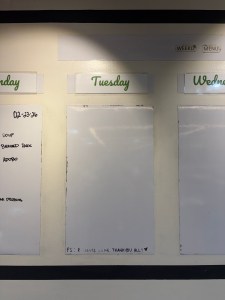
    Sa whiteboard
    kung saan binubura ang bukas
    at sinusulat ulit every week:

    Monday: Tinola with papaya
    Tuesday: Chicken adobo
    Wednesday: Nilagang baboy (too much luya)
    Thursday: Pochero/afritada
    Friday: Ginisang munggo
    or something we’ll complain about
    but still swallow.

    Comforting din malaman
    kung anong papasok sa katawan mo
    before the afternoon eats you.

    Some ulam we love.
    Some ulam we resent.
    Some ulam tastes like us—
    familiar, efficient.

    Isang Tuesday.

    Blank.

    Walang adobo.
    Walang schedule.
    The whiteboard—
    recipe na may surprise ingredient:

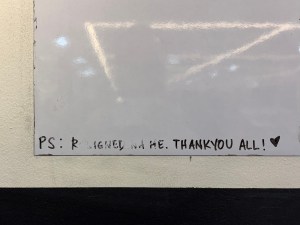
    Sa ibaba, black Pentel,
    medyo nabubura na:


    PS: resigned na me. thank you all! 🖤


    Walang pangalan.
    Trembling handwriting.

    Isang pusong garnish
    or punctuation
    or puncture mark.

    Siguro siya ang
    nagtitimpla ng powdered juice
    bago pa kami mauhaw.

    Siguro siya ‘yung nauuna
    mag-time in sa umaga
    para when we arrive,
    may sabaw na.

    Steadying his hand
    bago isulat ang menu.

    The kind of person
    na kayang i-digest ng system
    without chewing.

    Walang resistance.
    Walang gristle.

    Sa kitchen
    even salt disappears.

    But salt leaves thirst.
    What dissolves
    rearranges the tongue.

    The kitchen teaches
    how to tenderize yourself.

    Hinaan ang kalan.
    Takpan.
    Contain the boil.

    Until sweat evaporates
    without stain.

    Until your badge
    is reduced to flavor—

    detectable
    pero untraceable.

    Busog ang board.

    Nag-a-adjust ang shared calendar
    around an absence.

    Coming soon—
    parang bagong Scotch Brite:
    dry, stiff,
    wala pang history ng kamay.

    The old one,
    squeezed daily
    hanggang matutunan niya
    the exact shape of pressure.

    Walang nagtanong
    saan itinapon.

    Next week
    may ulam ulit.

    Chicken adobo na naman.
    Nothing adjusted.
    The same bawang.
    The same sarsa.

    But when we bite,
    we do not say
    it tastes like where the salt was.

    For an hour
    that Tuesday
    na walang nakasulat,
    tumigil ang machine
    and we saw
    the small teeth turning inside it.

    Someone became visible
    by subtracting himself.

    Elsewhere,
    mas full ang pantry.

    Different menu.

    The same kitchen.

    Erase.
    Rewrite.
    Serve.

    ‘Yan ang recipe.

    When Tuesday arrives
    dragged by deadlines,

    na-i-imagine ko ‘yung small heart
    bleeding slowly
    into the surface,
    tumatawid to Wednesday,
    to Thursday,

    until every meal
    carries
    a taste
    no one can name.

    And we line up.

    Tissue. Tray. Kanin. Ulam.

    May alam na ang adobo—
    tahimik lang.


  • We are lucky—
    we can leave the ground.
    The earth makes its claim.
    We answer
    with flight.

    I do not remember
    when the hand began
    interrupting the morning,
    holding bread
    already torn into smaller futures.
    We gathered—
    accepted the terms.

    I took what I could carry
    in the beak I was given,
    this small allowance
    to continue.

    Crumb.

    It marked the place
    where the whole had been.

    The hand would open.
    Something diminished
    passing for generosity.
    We pecked
    until the ground was bare.

    Once, flying past a window,
    the impossible object—
    round, intact.

    No apologies in its circumference.
    No negotiations at its crust.

    Even through glass
    I could smell it—
    sugar loosening in the heat,
    butter confessing its animal past,
    fruit breaking its skin.

    It did not fall.
    It did not break.

    It simply was—
    whole
    the way the sky is whole,
    the way the egg is whole
    before the crack.

    I did not know
    hunger had an opposite.
    Not fullness.
    Refusal.

    Are crumbs enough
    for wings that cross cities,
    that remember?

    Survival taken
    for consent.
    Repetition
    for truth.
    The hand
    for God.

    The hand returns.
    The other birds descend.

    I feel the old reflex—
    the beak twitching
    with practiced instinct.

    Hunger is persuasive.
    Something in the species
    remembers.

    I stay.

    Exhaustion
    has outgrown obedience.

    The crumb is not small.
    It is infinite
    in the wrong direction.

    Starvation
    is refusal
    of what diminishes.

    This is how I starve
    the habit
    that believed in pieces.

    Somewhere
    the whole exists—
    round, waiting,
    steam rising into the air I ride,
    unbroken
    by hands
    that fear its size.

    And I understand—
    hunger
    kills what was killing me.

  • Outside, the city is an endless red of brake lights,
    a crush of steel and faith,
    millions moving through heat and rain.

    It grinds out its survival,
    and somehow, inside its weight,
    I become less.

    There is a strange safety
    in being nobody
    to everyone.

    The room is warm.
    The AC hums.
    Motorbikes thread
    the night below.
    I drift
    until I reach you.

    In a place
    where space
    is currency,
    I offer mine.

    Let the whole
    crowded world
    collapse to this.

    Your breath
    entering me
    without asking.

    Suffocate me.

    Fill
    what the city hollowed open.

    Let the monsoon bang its fists
    against the glass
    while you thrust me
    back into myself.

    On an island
    where even God is never alone,
    the only prayer
    is how you empty me
    of my name.

    Love me
    until gravity
    chooses us again,

    until your hands
    convince
    my pulse
    to stay,

    until
    I remember
    with clarity

    I remain
    because I disappear

    here,

    in the last place
    I was felt.

  • Are you touching him
    after circling the island
    on a borrowed motorbike—
    salt crusting your hair,
    my name already rinsed away?

    In your hotel room,
    do you cup his chest
    the way you once steadied my doubts,
    checking if he is softer,
    smaller,
    less of a mountain than me?

    Do you stare at the hills
    and think of my body—
    how I rose and fell,
    how you climbed me
    until I eroded?

    Will your northwest tenderness
    pillage him too
    the way you pillaged me—
    quietly,
    completely,
    a demolition without sirens?

    I can only watch:
    you occupying thousand-year-old shores
    while I was still unweathered.

    So I convince myself
    it is January—
    the peak season for leaving:
    the sun too heavy,
    the wind making choices easier.

    I find childish reprieve
    in the sand finding your shoes,
    your throat,
    your intimates—
    an ancestor’s minor plague
    burrowing into your skin,
    reminding you
    how the smallest histories persist.

    I hope paradise teaches you
    just how small you are.

    But mostly—

    I hope I become
    something you rent,
    ride hard,
    and return
    without ceremony.

  • I do not ask for the foam
    to cradle me like a mother,
    nor for the currents
    to be a paved road toward your cabin.

    No.

    I want the Pacific to strike me
    until it breaks my ribs,
    until it swallows me where the light is drowned gold,
    and my blood remembers its alchemy,
    until my lungs cease their trembling
    and learn to bargain with the weight of the sea,

    until I strike out,
    until I tear the throat of the wave with my fingers.

    I am not a leaf;
    I am the captain of my own drowning.

    And when I break through,
    violently gasping for air,
    I will taste of salt, and lightning,
    and the fierce, exhausting fact of being alive.

  • While reopening this blog, I came across this in my drafts. I’m sure it was meant to be a longer tribute, meant to have photos attached. But I’m too lazy to fix it, so I’m publishing it as it is—a tidbit of my life from *gasp* 15 years ago.

    *****

    Five years ago today, we aired the pilot episode of Ako ang Simula, a short-lived public service program that became my baptism of fire.

    I was fresh out of college, thrown headfirst into the real world. Since then, I’ve trekked mountains, waded through floodwaters, organized medical missions, helped build schools and libraries, and even assisted in processing a prisoner’s release.

    And along the way, I learned this:

    • Kindness and empathy are your greatest weapons.
    • Keep your promises.
    • Value effort.
    • Be patient with people who work and think differently than you.
    • Quality is directly proportional to enthusiasm.
    • It’s okay to cry when you’re having a bad day.

    And despite deadlines and disappointments, I still believe this:

    There are always good people.
    And they are worth working for.

  • “Anong gagawin niyo doon, sir? Magvo-volunteer?”

    That was the bank teller’s response when I told her I needed my bank statement for my South African visa application.

    I get it. Maybe she pictured famished villagers seeking help from a UN relief camp. Maybe she imagined lions casually crossing roads while people in tribal attire beat bongo drums in the distance. Sure, some of these things exist. But Africa is also home to (surprise!) high-speed internet, modern cities, and people who build their lives just like anywhere else.

    I’ve been fascinated by countries for as long as I can remember. I would watch The Amazing Race and then proceed to the library the next day, looking up whatever city they had just visited. I lived vicariously through them, imagining what it would be like to run through the streets of India or hike a glacier in Argentina. I had this massive geography book, the kind with glossy pages and colorful maps, and I would spend hours tracing the borders of countries with my fingers, memorizing their flags and capitals. So when I saw a photo of Table Mountain majestically rising from the ground, I knew I had to go to Cape Town.
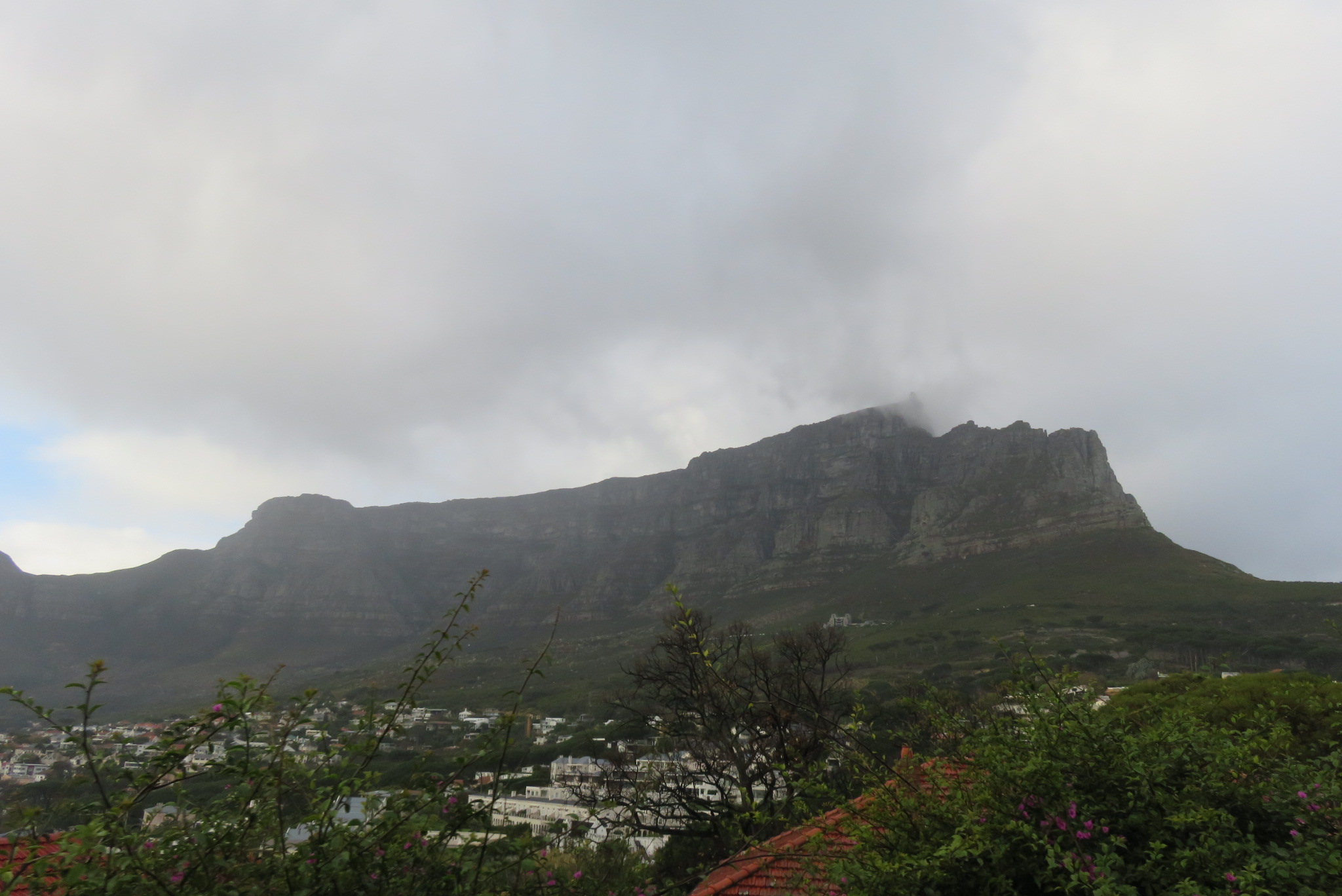
    I scheduled my solo trip to South Africa just in time for my 25th birthday. When people asked why I was going alone, I joked and told them it was to welcome my quarter-life crisis.

    First of all, if you’re only making it to 50, that’s a midlife crisis. And if you die even younger, well, the math gets more complicated. So what does a quarter-life crisis really mean? Some existential dread caused by realizing you’re no longer fresh out of college but still not old enough to have figured your whole life out? If anything, every single day of adulthood is a crisis. Sometimes it’s big (“What am I doing with my life?”), sometimes it’s small (“He didn’t put a smiley face on his text.”), but it’s always there. So off to Cape Town I went, not for the clichéd soul-searching, but because I wanted to see it with my own eyes.

    *****

    I should have known things wouldn’t go smoothly when I woke up on the day of my flight with a mild toothache. A little discomfort, but nothing a paracetamol couldn’t handle. My excitement was enough of an anesthetic, anyway.

    Except, at 25,000 feet, excitement was no match for the pain slowly building up. I doubled my dose of painkillers. Still nothing. So I did what any responsible adult would do: I had a glass of wine. And then another. And another. And another.

    Somewhere in the haze of my self-medication, I forgot you’re not supposed to mix pills with alcohol. And that’s how I woke up in Africa on my birthday with a brutal hangover and a raging toothache.

    At the airport, I schlepped my luggage to the medical clinic in search of a dentist.

    Of course, there was no dentist. That would be too easy.
    By the second day, the pain had become unbearable. I was popping pills like an addict just to function. The hospital near my hotel had no dentists on weekends, so I dragged my medicated self up Table Mountain, determined not to let my stubborn molar ruin my trip.

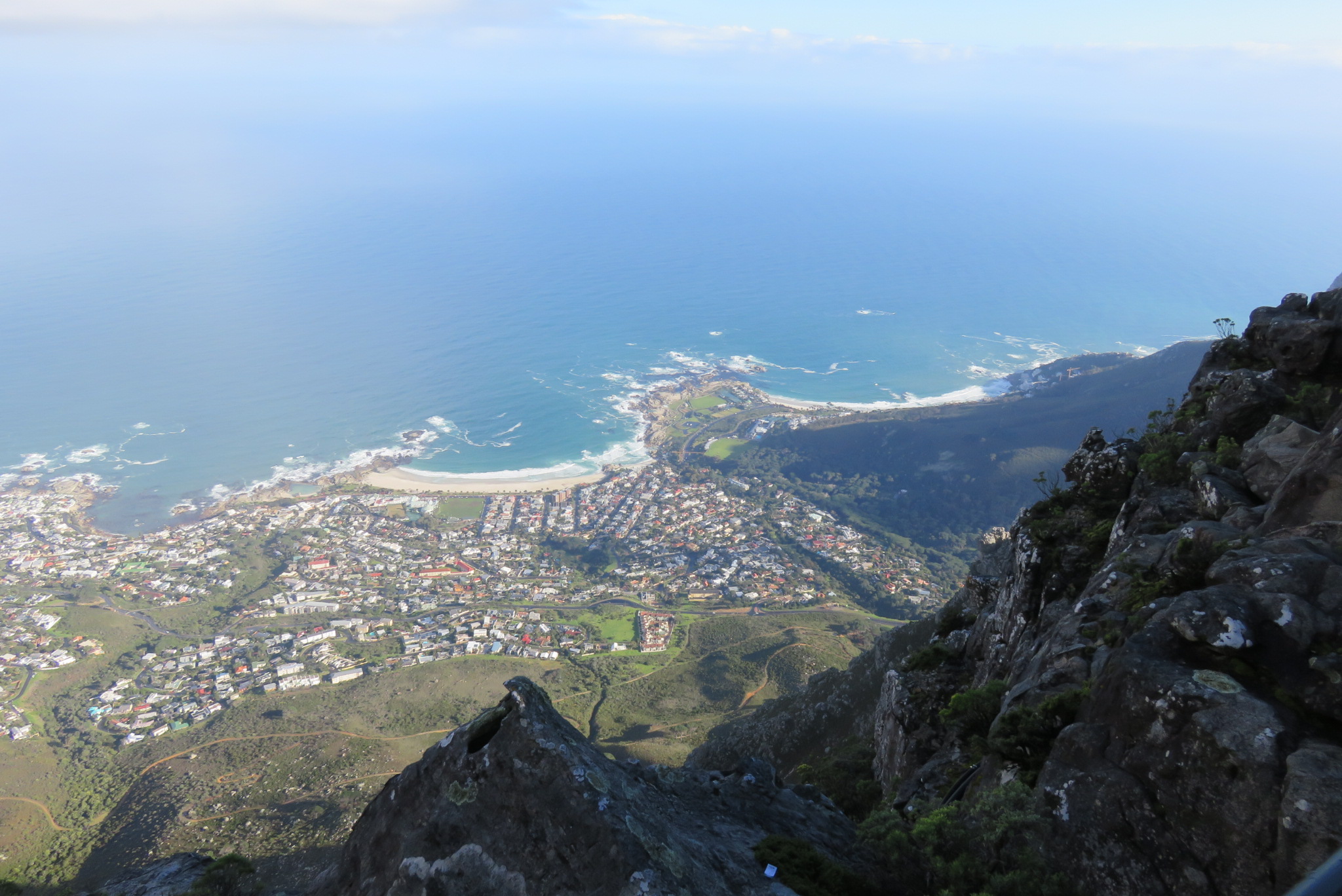
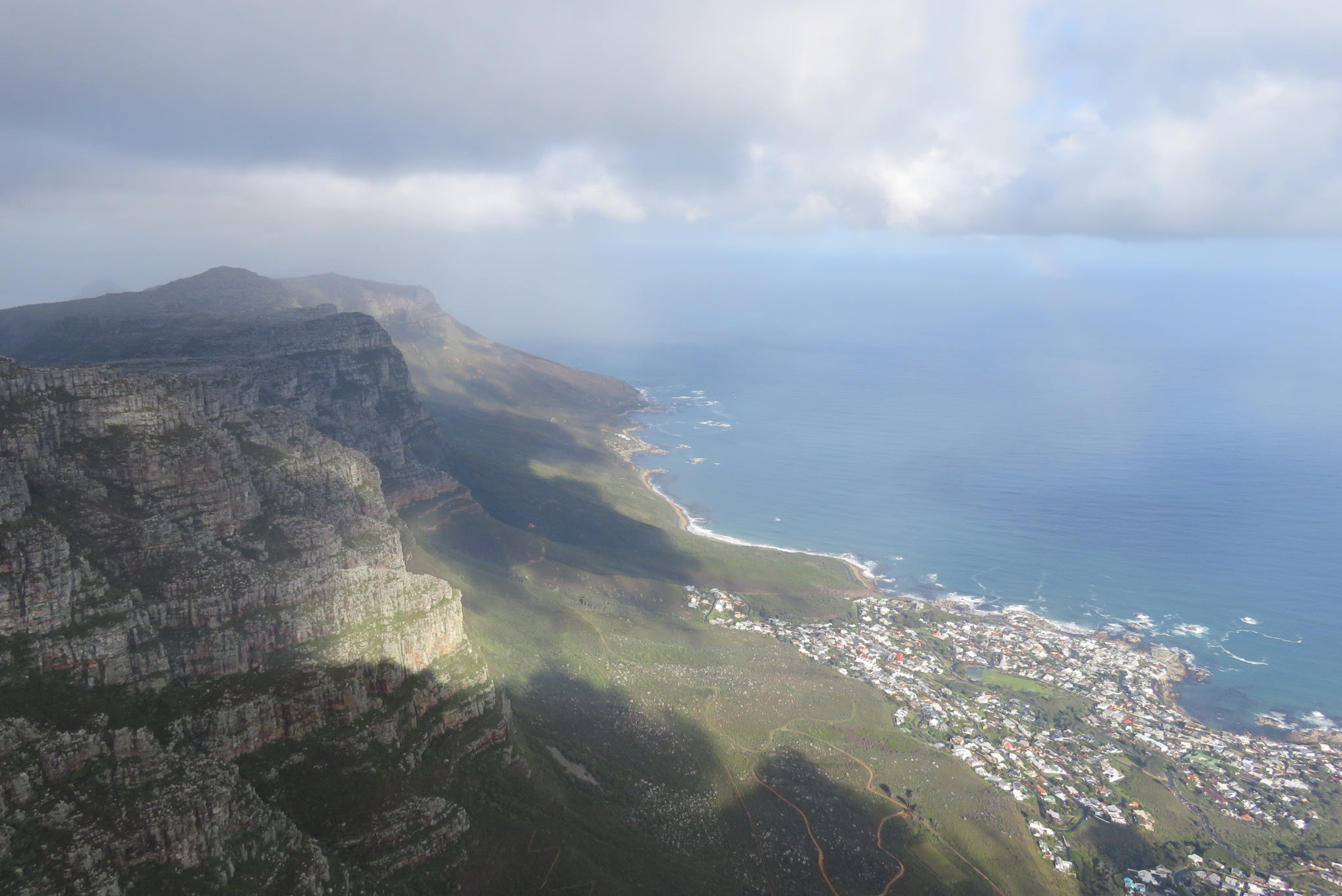
    Table Mountain is as majestic in real life as it is in photos. From the base, it looks regal and imposing, a natural fortress towering over the city. But from the top, it’s something else entirely. The world stretches out before you. Clouds rolling over the cliffs, the Atlantic Ocean crashing below, Cape Town sprawling and alive. It was breathtaking.

    Or maybe that just was the meds.

    A sudden downpour greeted us as I rode the cable car back down. I had to physically restrain myself from belting out that song by Toto.

    I bless the rains down in Africaaaaa!
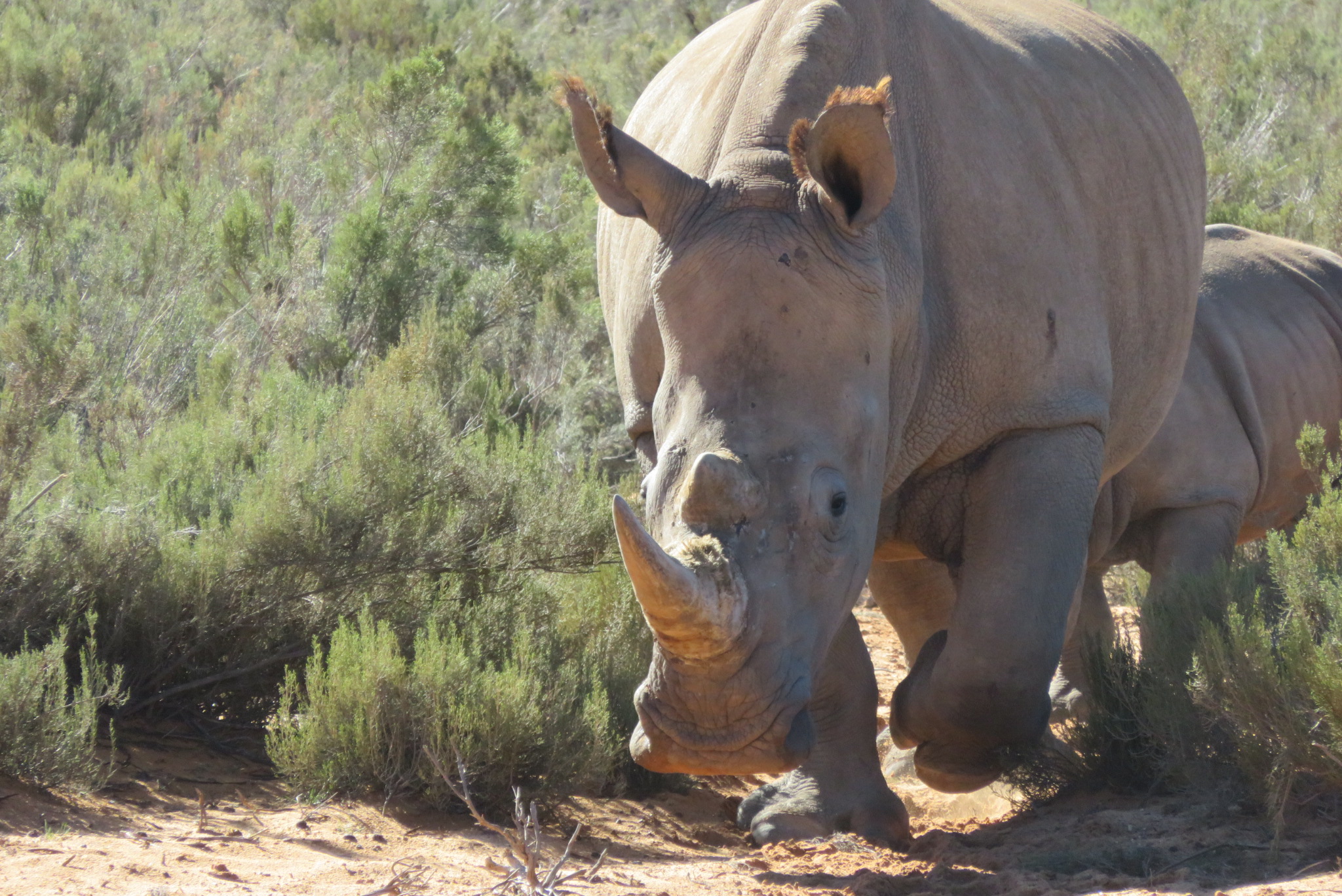
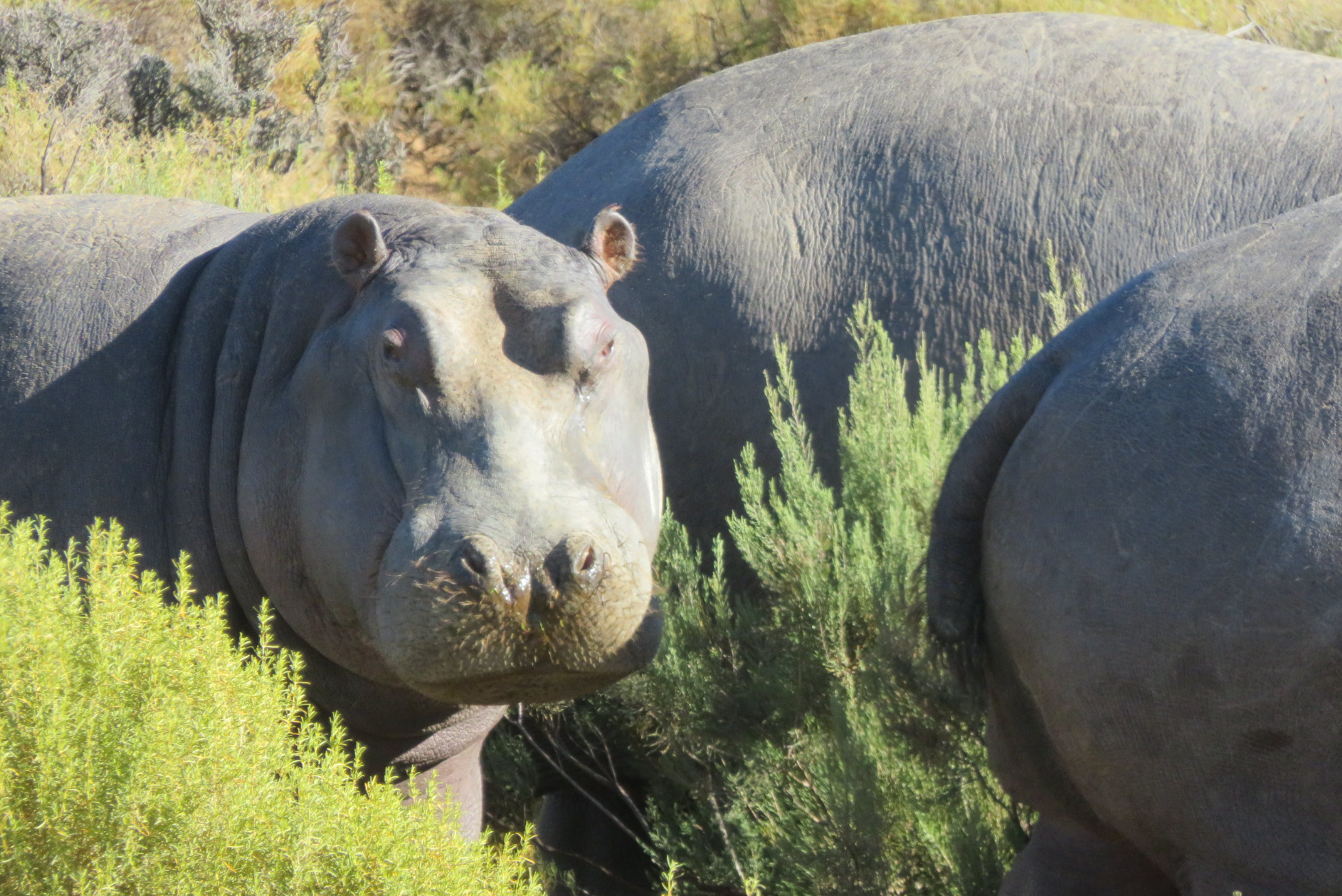
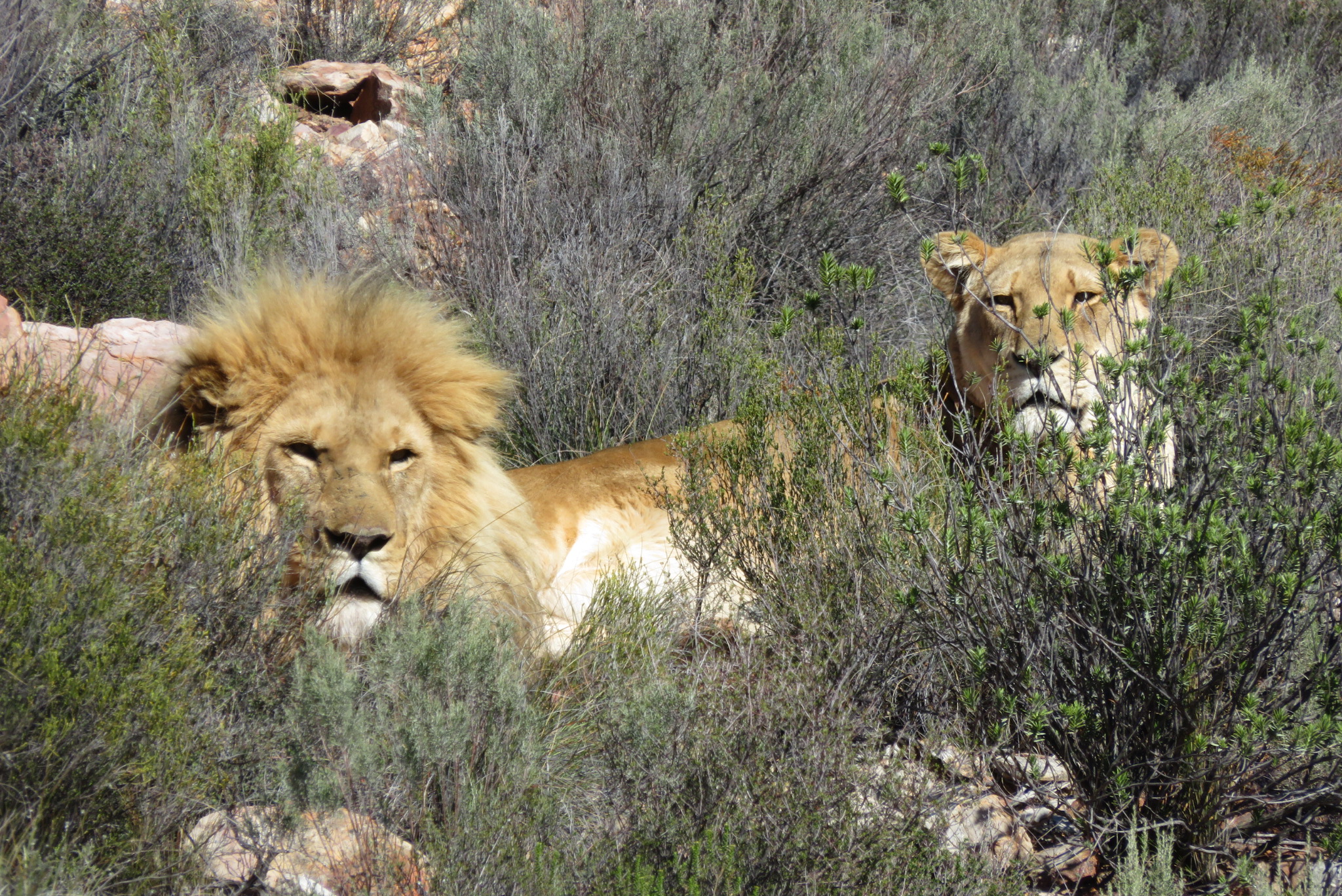
    The next day was my safari tour. By some miracle, my painkillers worked long enough for me to marvel at rhinos, hippos, and zebras. I saw lions feasting on the remnants of their latest kill. Staring at the bloody bones, I wondered: do lions also get toothaches? And if they do, how do they deal with it? Probably not by venting to their mothers over the phone, which is what I did later that night.

    My mom, ever the worrier, was convinced I’d have my tooth extracted with a rusty drill. “Magpareseta ka na lang ng gamot. Dito ka na lang magpabunot. Baka di tumalab ang anesthesia,” she fretted.

    Mom, they named the hospital after the guy who performed the world’s first heart transplant. I think they know what they’re doing.
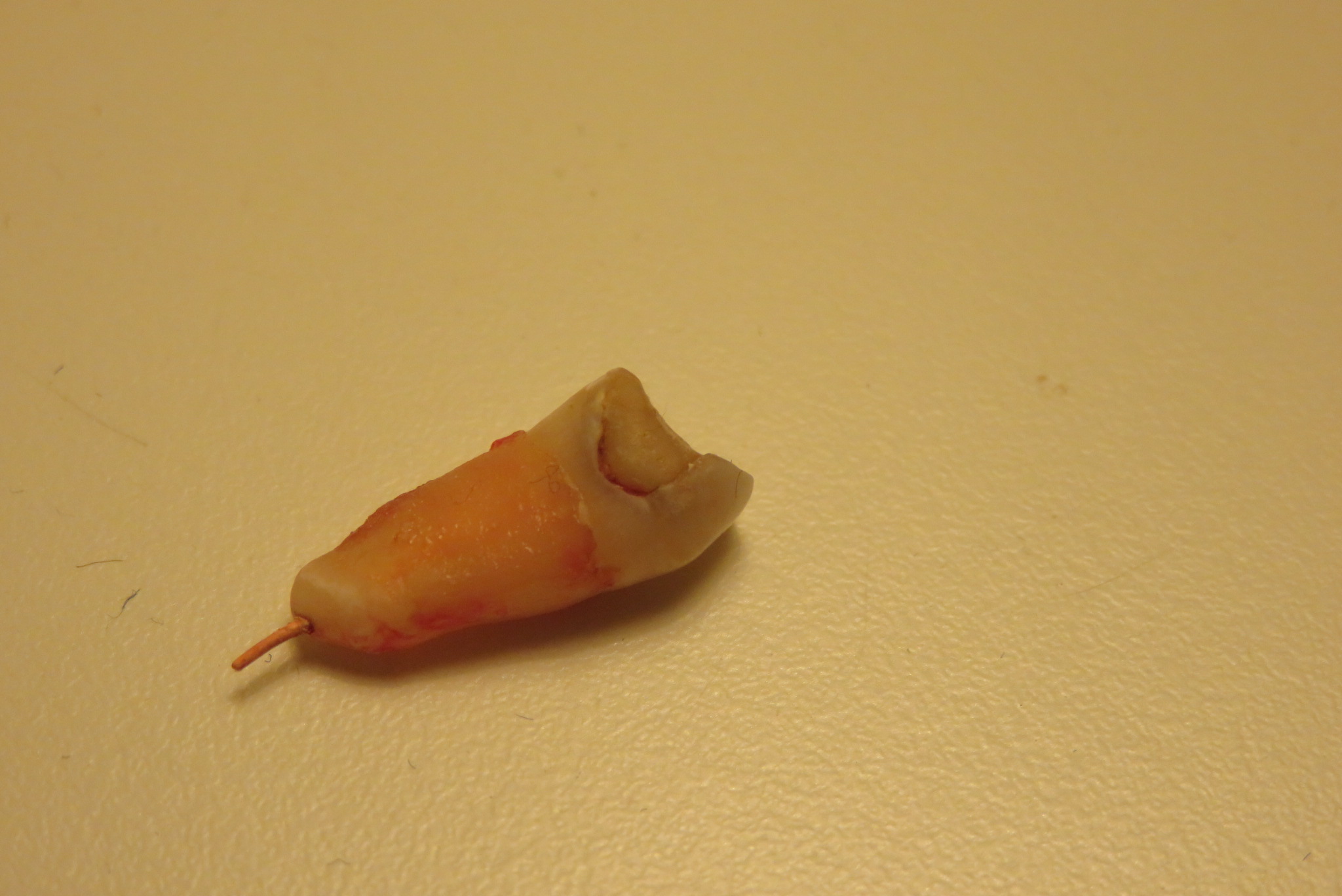
    On Monday, I finally saw a dentist. The verdict? A cavity. The tooth in question has been already been filled thrice. I asked the dentist what else could be done, because I was really, really, really in pain.

    “Well, you have two options,” the dentist said matter-of-factly. One, you can have your tooth pulled now.”

    “What’s the other choice?”

    “Or you can have it pulled at home.”

    I had never had a tooth pulled before. The pressure, the cracking, the sheer violence of it… I was convinced my gums were being torn apart.

    “Are you okay? Is it painful or are you scared?”

    “Scared,” I blurted out through my numb, half-open mouth, then laughed on the verge of tears.

    It didn’t seem to matter to her, and with one final, forceful tug, my tooth was out.

    If you ever need a tooth extracted in South Africa, it’ll cost you 500 rand. That’s 1,700 pesos and a chunk of your soul.
    You’d think that was the worst of it, but no. Because this trip was apparently a Lemony Snicket novel. My next adventure was cage diving with great white sharks, an experience I hadn’t originally planned, partly because of ethical concerns.

    On one hand, it’s a unique chance to observe these predators up close. On the other, there’s the issue of chumming, the process of throwing buckets of blood and fish guts into the water to attract the sharks. It’s a practice that can condition sharks to expect dinner whenever a boat appears and can potentially alter their natural feeding behavior.

    I was also worried they didn’t have a wetsuit my size. So I spent days in an internal debate about whether to go at all until the day before my flight, when I finally decided, Fuck it. I’ll already be there. Might as well dive in.
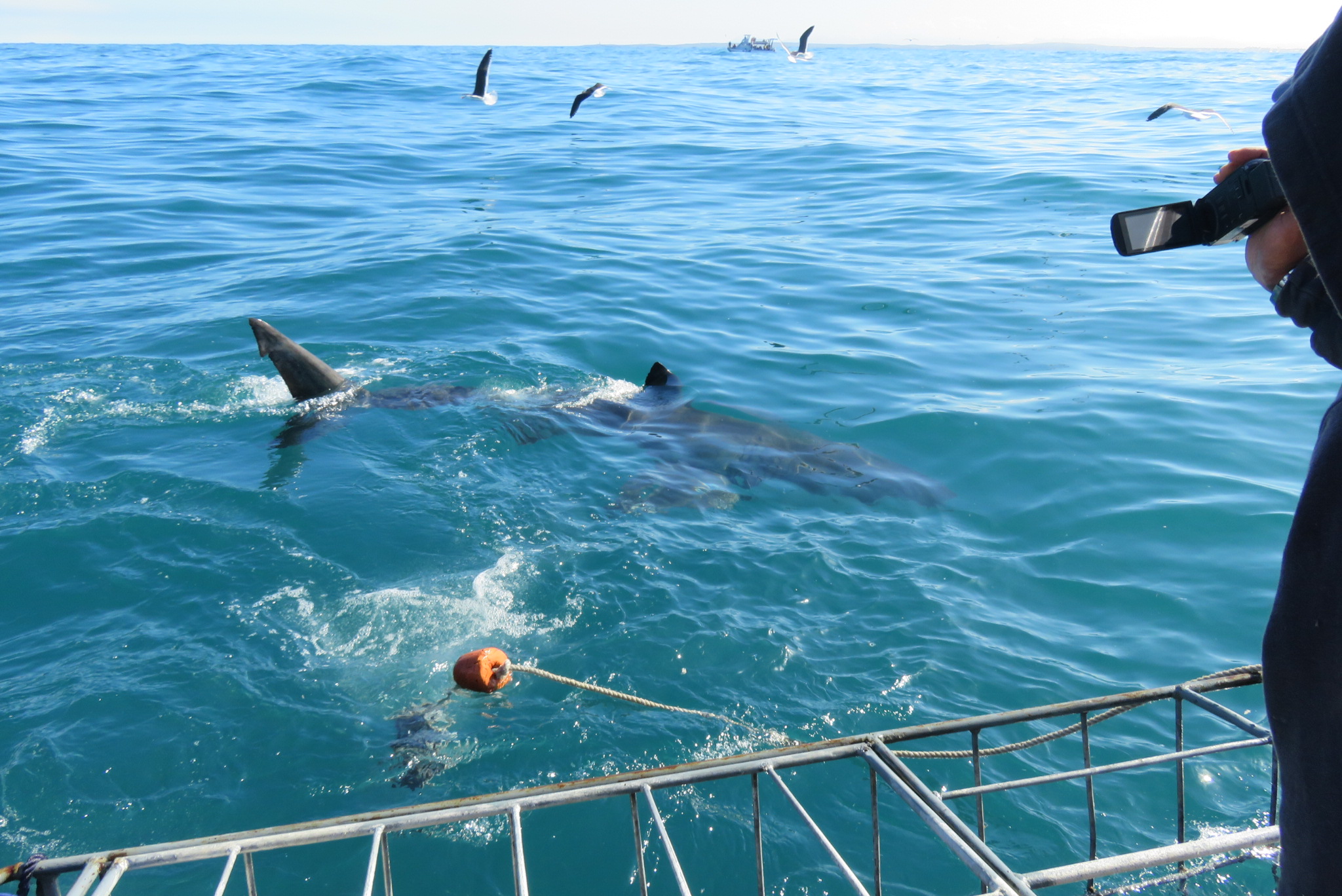
    And there I was, submerged in the Atlantic, face to face with one of nature’s apex predators. It was exhilarating. And then I realized I had made a mistake.

    You see, dumb me didn’t rent an underwater camera. Instead, I wrapped my phone in a Ziploc bag, thinking it was enough.

    I thought I was being a genius. But as it turns out, stupidity is the father of this invention. The moment I dunked my makeshift waterproof case into the ocean, I watched in horror as tiny bubbles formed inside the bag. It was like a slow-motion disaster.

    Idiot, idiot, idiot! I could’ve rented an actual underwater camera for 200 rand. I could’ve done research. I could’ve, at the very least, put my phone in an actual waterproof case instead of trusting a bag meant for sandwiches. Now, instead of capturing breathtaking footage of sharks gliding past me, I was left with a fried phone.

    *****

    As I learned from a fellow traveler during my Winelands tour, foreigners vacationing in South Africa can get a tax refund at the airport on purchases of 250 rand or more. Perfect, I thought. I’ll just buy my new phone here.

    Except I couldn’t.

    The lady at the Apple Store (yes, Ate Bank Teller, they have iPhones in Africa) swiped my card and frowned. Swiped again. Still nothing. She looked at me, trying to be polite.

    “Your card was declined,” she finally said.

    I am never one to lose composure, but internally, I was in full breakdown mode. Later, I learned that my card had been compromised and some lucky thief had used it for a shopping spree. They bought groceries. They dined at restaurants. They even bought furniture to redecorate their house! I wasn’t even mad at that point; I was impressed.

    Meanwhile, I had four more days in Cape Town and whatever cash I had left. I budgeted strictly: money for food, money for pasalubong, and money for calling my bank, which, ironically, hurt my wallet the most.

    Being a natural introvert, I’ve always been comfortable traveling alone. I actually prefer it most of the time. No need to coordinate, no small talk, no debates over where to eat. But this? This was different. I had no phone. No money. No backup plan. For the first time in my life, I felt alone in a way I hadn’t before. Not in the peaceful, reflective way. But in the Tom-Hanks-stranded-on-a-desert-island kind of way.

    I just needed a hug.

    *****

    During the height of the Age of Discovery, European explorers braved the unforgiving waves of the Atlantic in search of the East. They risked their lives, sailing into the unknown, driven by the promise of riches from the Spice Islands. Nutmeg, cinnamon, ginger. Things we now take for granted were once worth entire fortunes. Men endured scurvy, shipwrecks, and mutiny for these tiny luxuries, determined to make their bland medieval gruel taste like something, anything other than despair.

    Finally, after weeks of storm and struggle, they reach their journey’s halfway point and carry on with renewed sense of optimism as their ships turn around Cabo da Boa Esperança.

    The Cape of Good Hope.
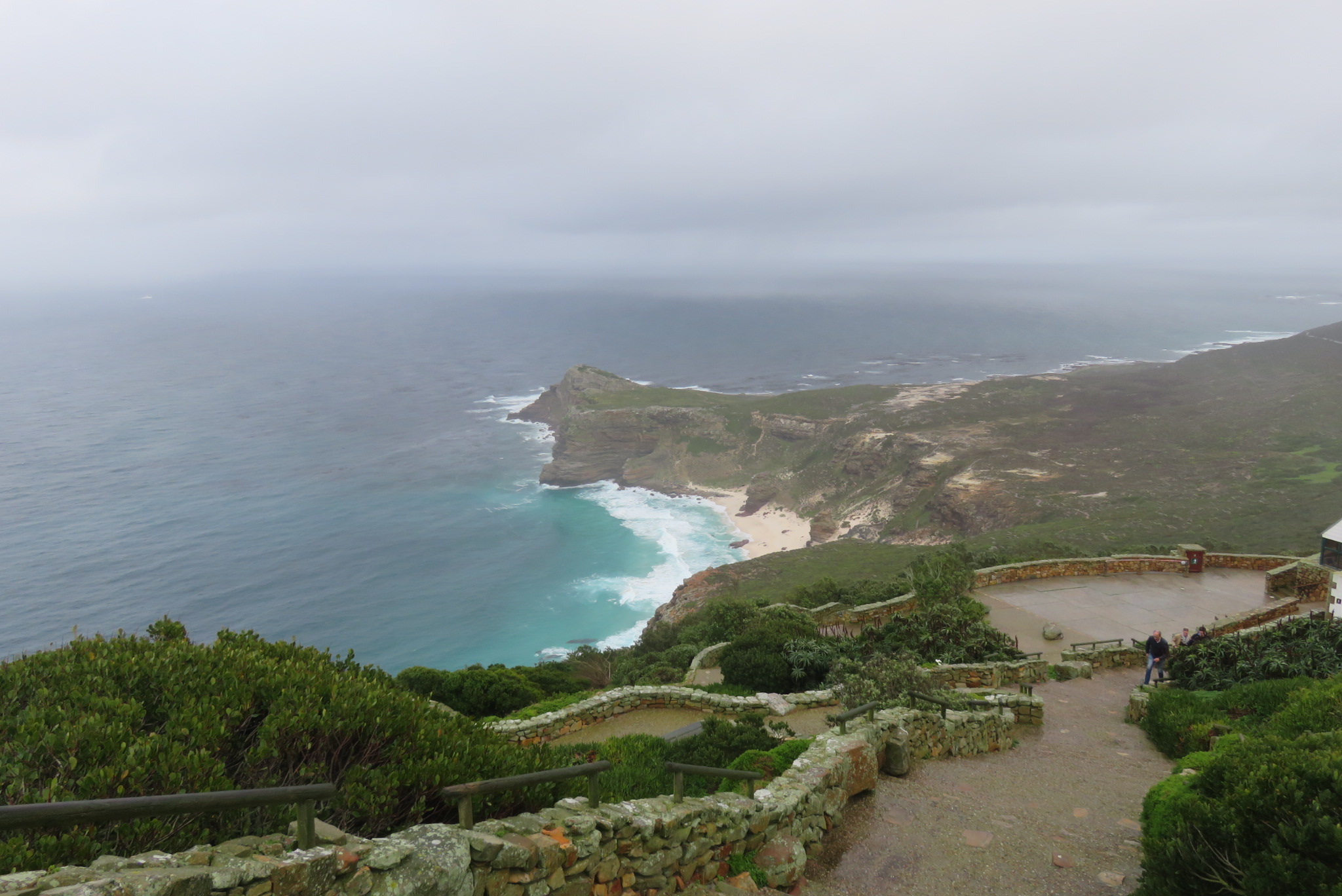
    Our tour van weaved through the foggy roads of Cape Point, the air thick with salt and history. The tour guide spoke through the mic as he played a game of True or False.

    “Is Cape Town the southernmost point of Africa?”

    Geography nerd that I am, I answered, “No. It’s Cape Agulhas.”

    “Good,” he said. “So why do I bring visitors here? Because I want you to remember: once upon a time, you sat in a classroom reading about this place. And now, you’re here. How many people can say that?”

    He was right.
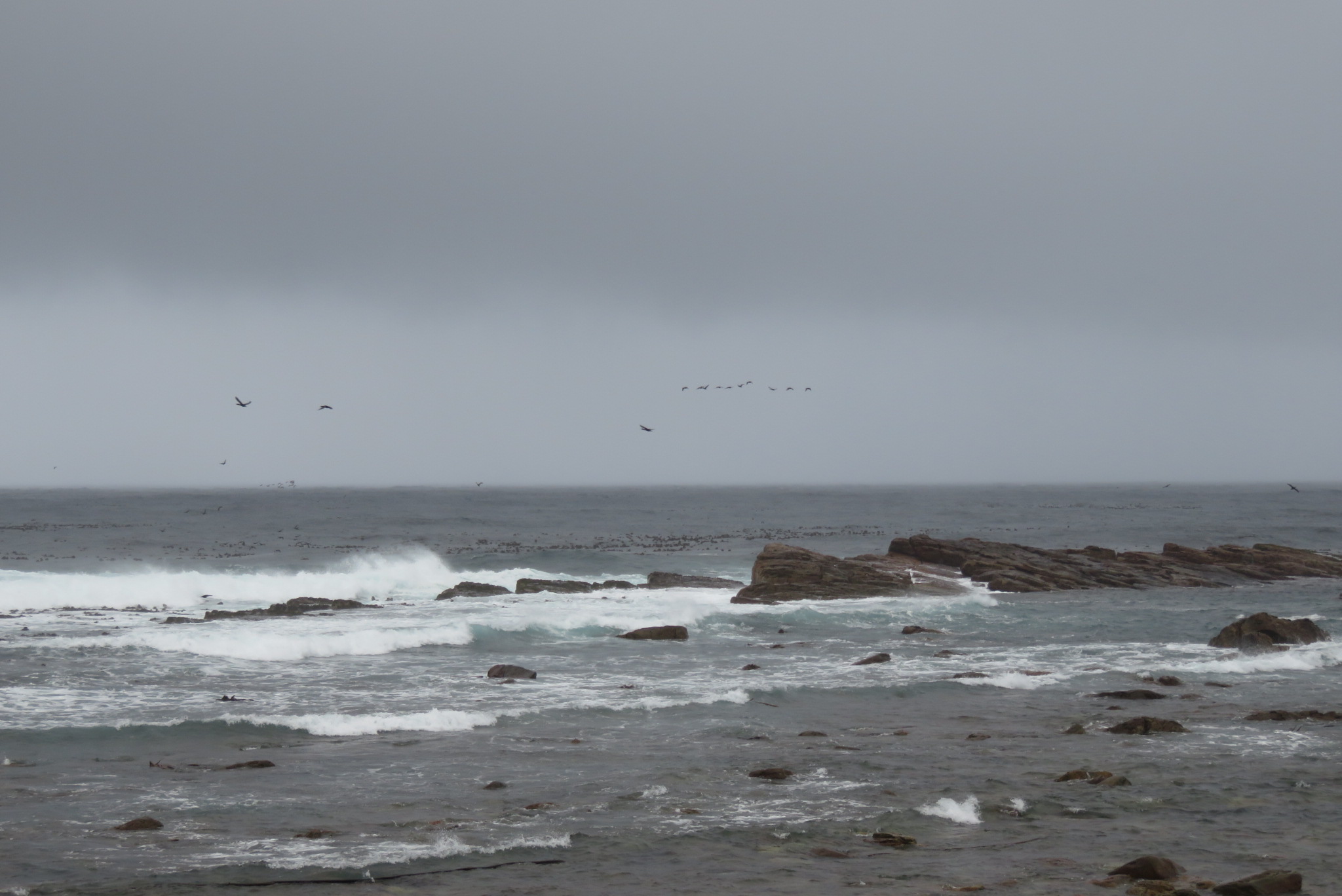
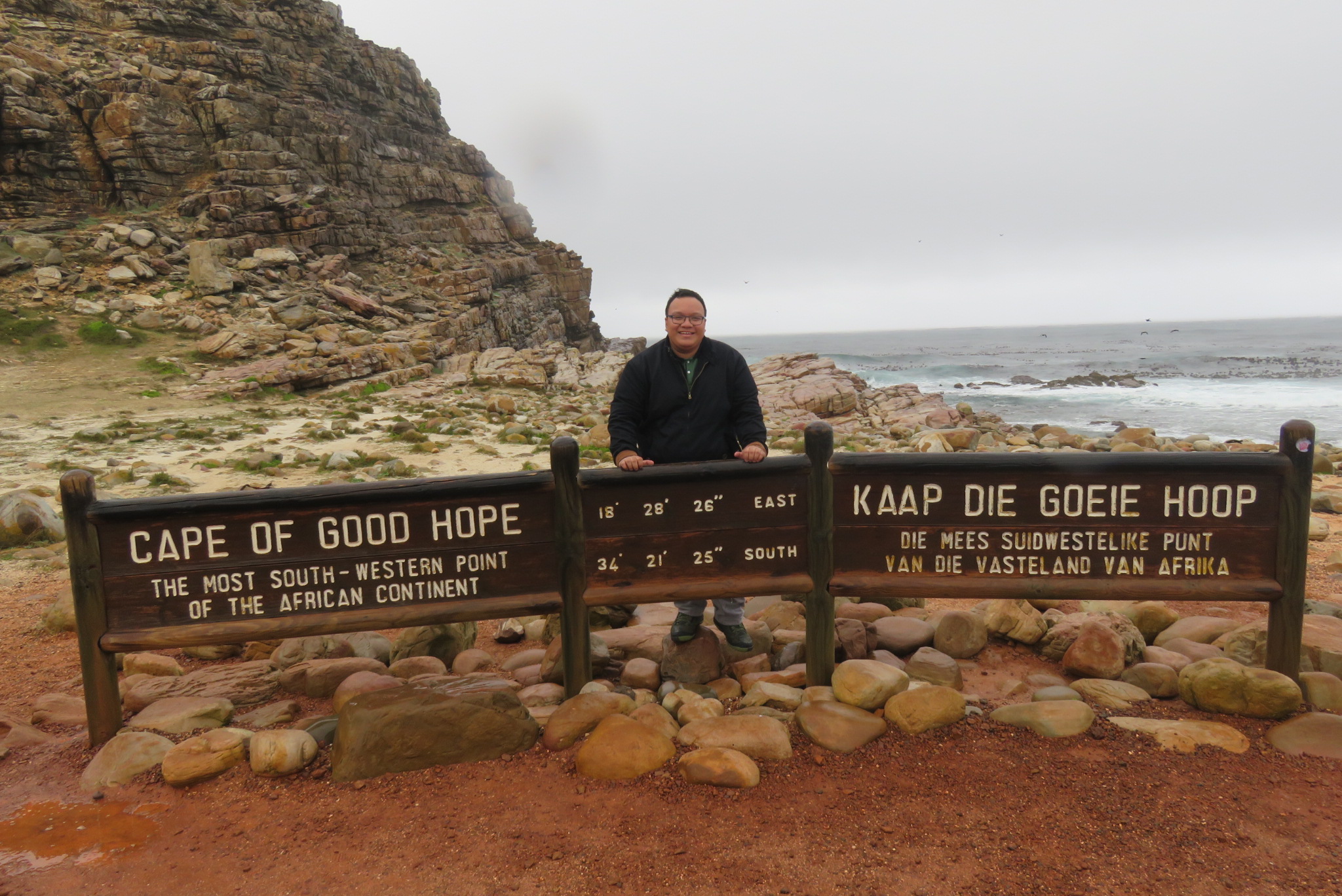
    I stepped out of the van and took a deep breath. The oceans stretched endlessly before me, the waves crashing against the rocks. There it is: the sign that marks the end of a journey, a pilgrimage to a place that reassures.

    Cape of Good Hope. A landmark that once meant salvation for weary sailors, a promise that the worst was behind them.

    I breathed in the mist and tasted the salt in the air. Soon, from a teardrop or two.

    I wasn’t crying over my ruined phone, or my credit card, or the sheer unluckiness of my entire trip. It was a moment of quiet realization.

    Life will throw storms your way. It will make you feel lost. It will take things from you: your comfort, your money, your sense of security. But while some crises may drown you, some crises might just lead you to capes that remind you why you keep going. A place that reminds you that no matter what, the world is still beautiful.

    I’m twenty-five now.

    I’m just twenty-five.

    I sail on with good hope. Always with good hope.
  • We were victims of the curse of stagnance.

    Who’s to blame for the tide that never came?
    Maybe when we’re brave enough, we will know.
    Maybe when we’re men enough, we will understand.

    A new river has broken from the ground.
    Flowing.
    Quenching.
    The moon smiles for me.

    I kiss the shore one last time and loosen my grip on the sand.
    Away.

    To where the waters will take me.
    To capes, to poles, to peninsulas.
    But for now
    I am a wave

    with memories of land.